

Design agency: the short answer
A design agency turns brand strategy into visible form: identity, website, campaign and motion assets that work as one system. In the Netherlands, agency rates run roughly €80 to €200 per hour, and a complete brand identity typically costs €2,000 to €15,000. Judge an agency on shipped work and measurable results, not on awards.
That is the compressed answer. The longer one matters, because almost every page that ranks for design agency is a portfolio homepage: beautiful work, zero explanation. No definitions, no prices, no way to compare one studio with the next. This guide fills that gap. It covers what a design agency actually does, how it differs from a branding agency or a web design agency, what design work costs in 2026, and how to judge a portfolio once every shortlisted candidate looks good.
Viralistic is a design and digital agency on the Herengracht in Amsterdam, rated 5.0 on Google across 30 reviews. We design brands and build the websites that carry them, under one strategic lead. This guide is written the way we run projects: plain language, real numbers, no mystique.
5.0 ★
on Google (30 reviews)
1
strategic lead from identity to live website
3
countries we serve: NL, UAE and the DACH region
What does a design agency do?
A design agency designs the visible layer of a company: the brand, the digital product and the content that carries both. Most full-service agencies work across three disciplines, and the value sits in keeping them consistent.
Positioning, logo, colour, typography and tone of voice, captured in guidelines so the brand stays consistent long after the project ends.
Websites, webshops and product interfaces. UX decides whether visitors find what they came for; UI decides whether they trust what they find.
Motion graphics, social formats and campaign assets that translate the identity into things people actually see, share and remember.
The strongest agencies add a fourth, less visible discipline: judgment. Anyone can generate options. Deciding which option serves the strategy, and saying no to the rest, is what you are actually paying for. That starts with a brand identity worth defending and ends with design principles the whole team can apply without you in the room.
Design agency, branding agency or web design agency?
A design agency is the broadest of the three: it covers identity, digital and campaign work under one roof. A branding agency goes deeper on strategy and identity but usually hands off the build. A web design agency starts at the website and works backwards. The overlap is real, so the honest question is where your problem starts.
| You need | Best fit | Typical scope |
|---|---|---|
| A new or sharper brand | Branding agency | Strategy, identity, guidelines |
| A website that converts | Web design agency | UX, UI, build, performance |
| Brand and website as one system | Design agency | Identity through to live product |
| Campaign volume and content | Creative agency | Concepts, campaigns, production |
| Print, packaging, visual systems | Graphic design agency | Graphic design in every format |
The label also varies by market more than the work does. Americans tend to say design firm. The British lean toward design consultancy, which is what Pentagram, the world’s largest independent design consultancy, calls itself. In the Netherlands you will hear design studio, design bureau and ontwerpbureau used for the same thing. Read the case studies, not the label.
What does a design agency cost in 2026?
Dutch design agencies charge roughly €80 to €200 per hour, and most branded projects land between €2,000 and €15,000. Freelancers cost less per hour but cover fewer disciplines, which is why serious rebrands rarely stay cheap. These are the indicative market ranges we see in the Netherlands in 2026:
| What you are buying | Freelancer (indicative) | Design agency (indicative) |
|---|---|---|
| Logo only | €300 - €1,000 | from €2,500 |
| Basic identity: logo, colour, type | €500 - €1,500 | €2,000 - €5,000 |
| Full identity with guidelines and templates | €1,500 - €5,000 | €5,000 - €15,000+ |
| Hourly rate | €35 - €85 | €80 - €200 |
Dutch SMBs typically invest €2,000 to €5,000 in a professional brand identity. At the top of the Amsterdam market, senior teams sit around €140 to €175 per hour.
Ranges, not quotes
These figures are indicative market ranges, not offers. Scope drives price: the number of concepts, revision rounds, deliverables and the seniority of the people doing the work. A serious agency will show you exactly what sits inside its number before you sign. If a proposal cannot explain its own price, that tells you something too.
How to judge a design agency portfolio beyond taste
Every shortlisted agency will look good; that is the entry ticket. To separate style from substance, check five things the portfolio page does not volunteer:
- Is the work live? Visit the actual websites. A redesign that quietly disappeared six months after launch is a warning, however good the screenshots look.
- Is there a result attached? More enquiries, better rankings, faster load times, higher conversion. One verifiable number beats ten mockups.
- Does consistency survive contact with reality? Follow one client from logo to website to social feed. If the identity falls apart outside the case study, it was styling, not system.
- Who does the work? Ask who is on your project, not who is on the homepage. Senior thinking sold, junior execution delivered is the oldest trick in the agency business.
- Can they explain their decisions? Ask why the type, why the grid, why this direction. Good designers reason from the strategy. Weak ones reason from taste.
Why international brands hire Dutch design agencies
Dutch design has a reputation international clients pay for: restraint, clarity and function over decoration. The tradition is real and traceable. De Stijl, founded in 1917 around Piet Mondriaan and Gerrit Rietveld, reduced design to essentials a century before minimalism became a trend. Piet Zwart, named designer of the century by the Association of Dutch Designers in 2000, treated design as engineering with taste. Wim Crouwel co-founded Total Design in 1963 and put systematic, grid-based thinking at the heart of Dutch visual culture; the agency he started still ranks on page one for design agency today. Eindhoven hosts Dutch Design Week every October, and the discipline remains a national export.
International brands rarely search for a specific studio; they search for a “dutch design agency” because the tradition itself is the draw. What that heritage buys you in practice is a habit of asking what a design is for before asking what it looks like. That question is worth more than any style.
Design agencies in Amsterdam: what to expect
Amsterdam concentrates most of the Dutch agency market, from two-person studios to international networks. Whether you search for a “design agency amsterdam” or compare “design agencies amsterdam” on a directory, you will meet the same pattern: striking portfolio homepages that say little about process, price or accountability. The city also concentrates the highest rates in the country, which makes the selection questions above more expensive to skip.
Expect an Amsterdam agency to work in English as easily as Dutch, to serve international clients by default, and to quote at the upper half of the national range. What you should also expect, and too rarely get, is one accountable lead. The classic Amsterdam failure mode is a brand designed by one party, a website built by a second and marketing run by a third, with no one owning the outcome.
Design that ships: the Viralistic approach
We founded Viralistic on a simple observation: design is judged on what it does, not how it looks in a case study. So we run design, development and findability as one trajectory under one strategic lead. The identity is designed for the website that will carry it; the website is built to rank in Google and to be found by AI search; and both get measured on the number of enquiries they produce.
That approach took SilverDrive, a chauffeur service from Amsterdam, from a local player to an international operation that runs on organic findability:
“Viralistic begeleidde SilverDrive naar een internationaal gericht bedrijf dat volledig draait op organische vindbaarheid. De website en alle systemen besparen ons enorm veel tijd.” — Joshua Faerber, SilverDrive
Translated from Dutch: “Viralistic guided SilverDrive into an internationally oriented company that runs entirely on organic findability. The website and all the systems save us an enormous amount of time.”
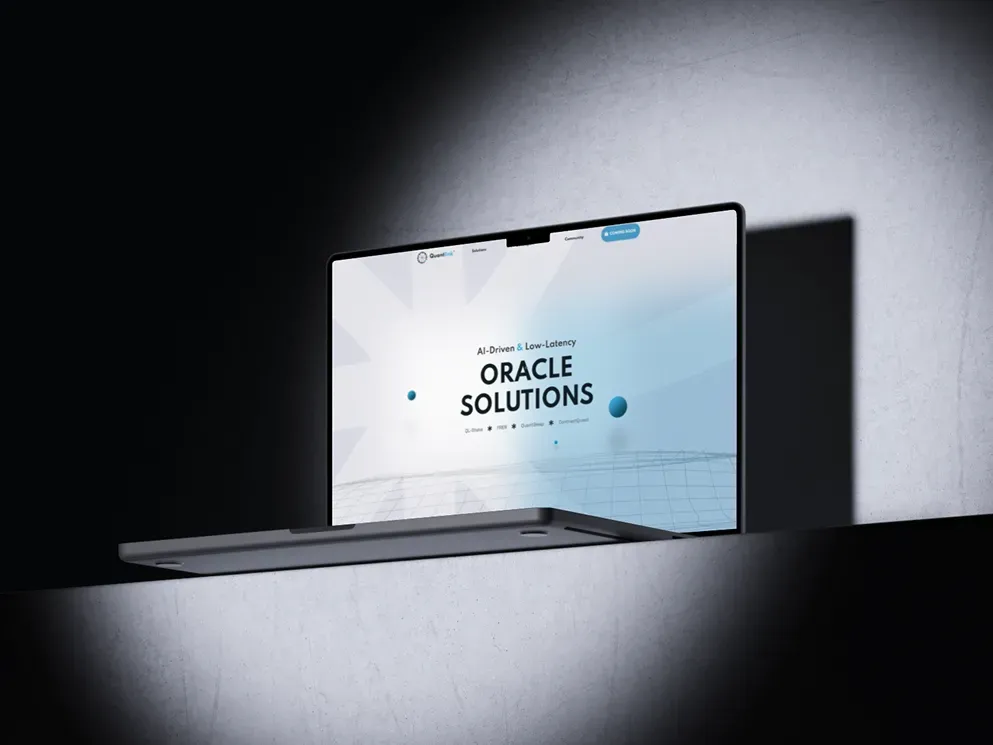
The same logic runs through our work for brands like Quantlink, Julia Clinics, ParkUp and Wolf Pack Group: premium design, engineered to perform.
Is AI replacing graphic designers?
AI is replacing production, not judgment. Generating a hundred logo options is now cheap; knowing which one serves the strategy, and making it survive every touchpoint, is not. The agencies at risk are the ones that only ever sold production. The second shift matters more for clients: AI search now decides which brands get seen. When ChatGPT, Perplexity or Google’s AI Overviews answer a buyer’s question, brands with clear, consistent, well-structured identities and websites get cited; vague ones vanish. Design has quietly become part of findability.
Frequently asked questions
What does a design agency do?
A design agency designs a company’s visible layer: brand identity, websites and digital products, and campaign or motion assets. Full-service agencies keep those consistent as one system and back them with strategy. The deliverables are concrete: identity and guidelines, a live website, and assets your team can use without the agency on speed dial.
How much does it cost to hire a design agency?
In the Netherlands, expect €80 to €200 per hour at an agency. A logo project starts around €2,500, a complete brand identity typically runs €2,000 to €15,000 depending on scope, and Dutch SMBs most often invest €2,000 to €5,000. Freelancers are cheaper per hour but cover fewer disciplines.
What are the biggest design agencies in the world?
Pentagram is the world’s largest independent design consultancy, run by its partners across five offices. Names that appear in nearly every global ranking include IDEO, frog and Landor. In the Netherlands, Total Design, founded in 1963, and thonik are among the best-known. For most companies the real question is fit, and fit has little to do with size.
Who is the most famous Dutch graphic designer?
Most shortlists start with Wim Crouwel, co-founder of Total Design and designer of the Stedelijk Museum’s celebrated posters. Piet Zwart is the historical answer, named designer of the century by the Association of Dutch Designers in 2000. Dick Bruna, creator of Miffy, is the most widely seen worldwide.
Should I hire a design agency or a freelancer?
Hire a freelancer for a single, well-defined deliverable like a logo refresh or a set of templates. Hire a design agency when brand, website and content need to work as one system, because coordinating three freelancers yourself is a project management job most founders underestimate. Budget honestly: agencies cost more and drop fewer balls.
How do I start my own design agency?
Start with clients, not with a name. Pick one niche, build three case studies with real results, and let referrals compound before you hire. Most agencies begin as a freelance practice that outgrew its calendar. The hard part is not the craft; it is saying no to work outside your niche.
Is AI replacing graphic designers?
No, it is replacing production work: variations, resizing, routine assets. Judgment, strategy and accountability remain human, and clients still need someone to own the outcome. The practical shift is that designers who direct AI tools outproduce those who ignore them, and brands now also need design that AI search engines can read and cite.
Design that gets found
One strategic lead from identity to live website, measured on results instead of applause. Tell us where your brand stands and we will tell you, honestly, what we would do first.
